UV Light Source for Ozone Generation Equipped with Clean172™

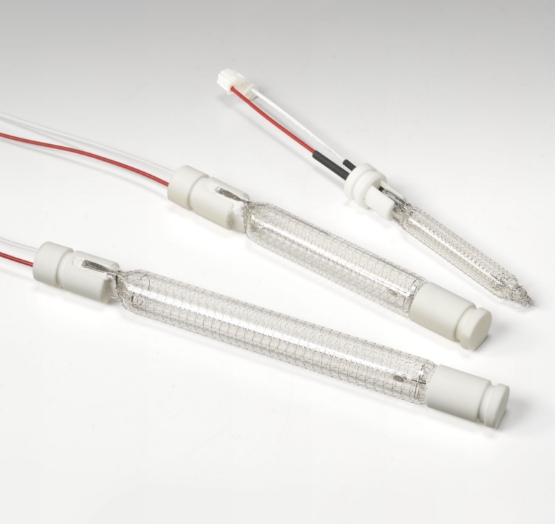
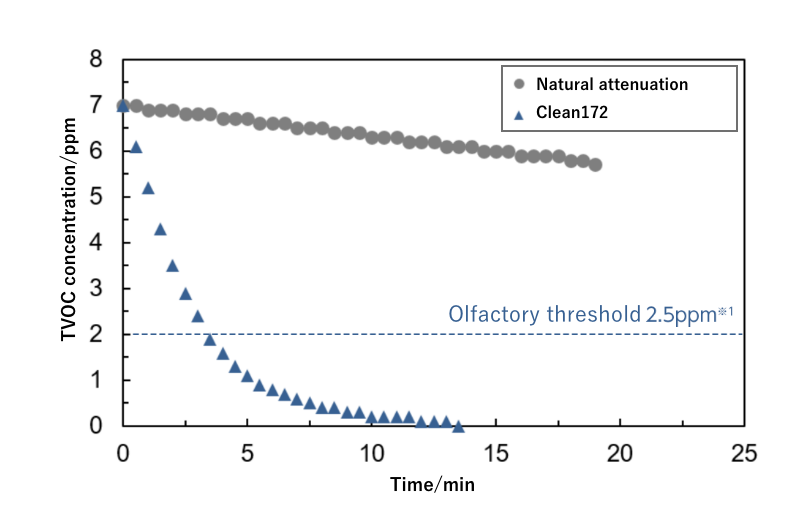
By using an excimer lamp with a peak wavelength of 172 nm as the light source, ozone production equivalent to discharge ozone generation is possible without emission of nitrogen oxides (NOx). The 172 nm ultraviolet light and reactive oxygen species (e.g., ozone) enable deodorization※1, disinfection※1, TOC reduction, and chemical decomposition※2.
- ※1 It does not work on all bacteria and odors. The sterilizing effect works on bacteria exposed to ultraviolet light.
- ※2 This applies to substances such as: formaldehyde, acetaldehyde, trimethylamine*3, methyl ethyl ketone (MEK), methanol, ethylene oxide (EOG), ammonia*3, nicotine*3, etc.
- ※3 Please note: Because inorganic components are present, substances other than CO₂ and H₂O may be released.
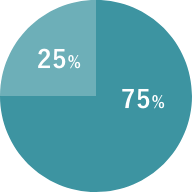
Deodorizing effect
- Satisfied
- somewhat satisfied
- neutral
- somewhat dissatisfied, dissatisfied
Survey results on deodorizing effects in hotel guest rooms
Perfume odor
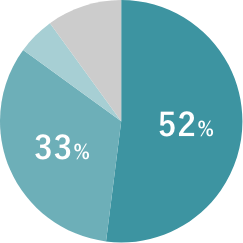
Effective even against perfume odors
that are ordinarily difficult to remove
tobacco odor
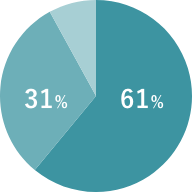
food odor
body odor
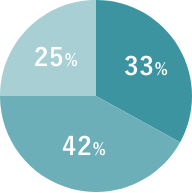
- Satisfied
- somewhat satisfied
- neutral
- somewhat dissatisfied, dissatisfied
Survey method: Questionnaire (deodorizing effect rated on a 5-point scale)
Survey subjects: Guest room cleaning staff
Survey period: Two weeks following device installation
Valid responses: 327 rooms
- * Company survey (2018–2019). Perception of deodorizing effect may vary among individuals.
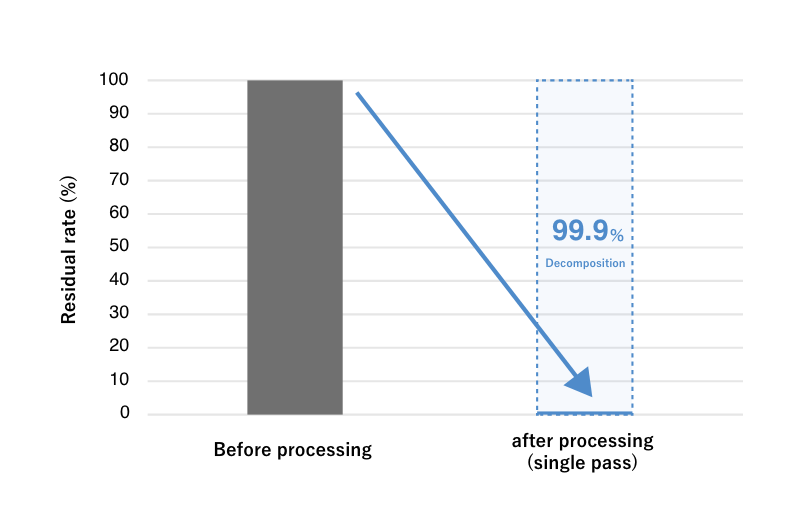
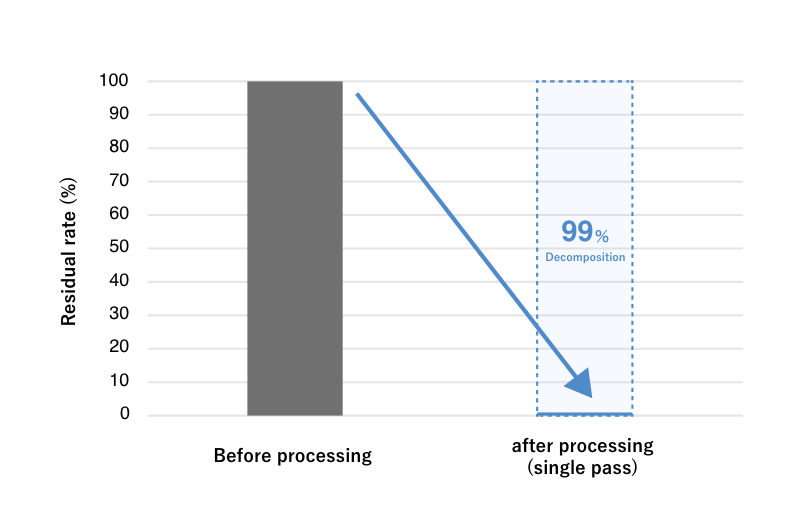
Chemical decomposition effectiveness
Decomposition data for individual chemicals
 Click to enlarge graph data.
Formaldehyde reduction
Ammonia reduction
Acetaldehyde reduction
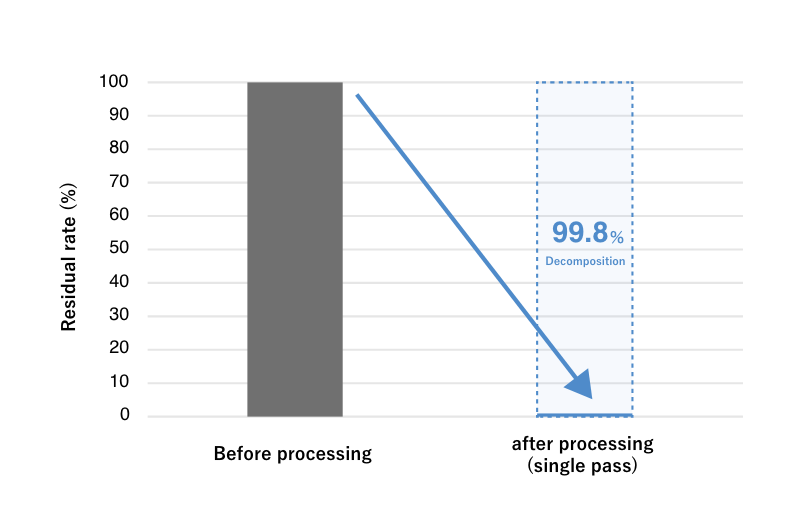
Trimethylamine reduction
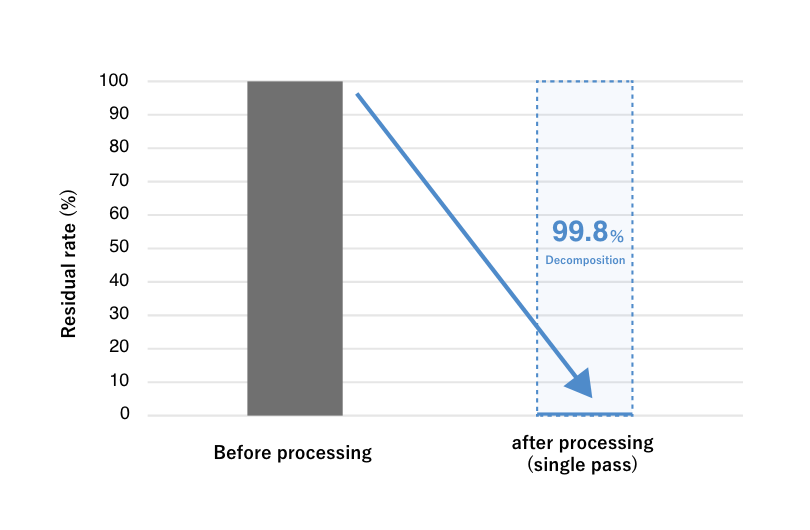
Cyclohexanone (an analog of perfume components) reduction comparison